

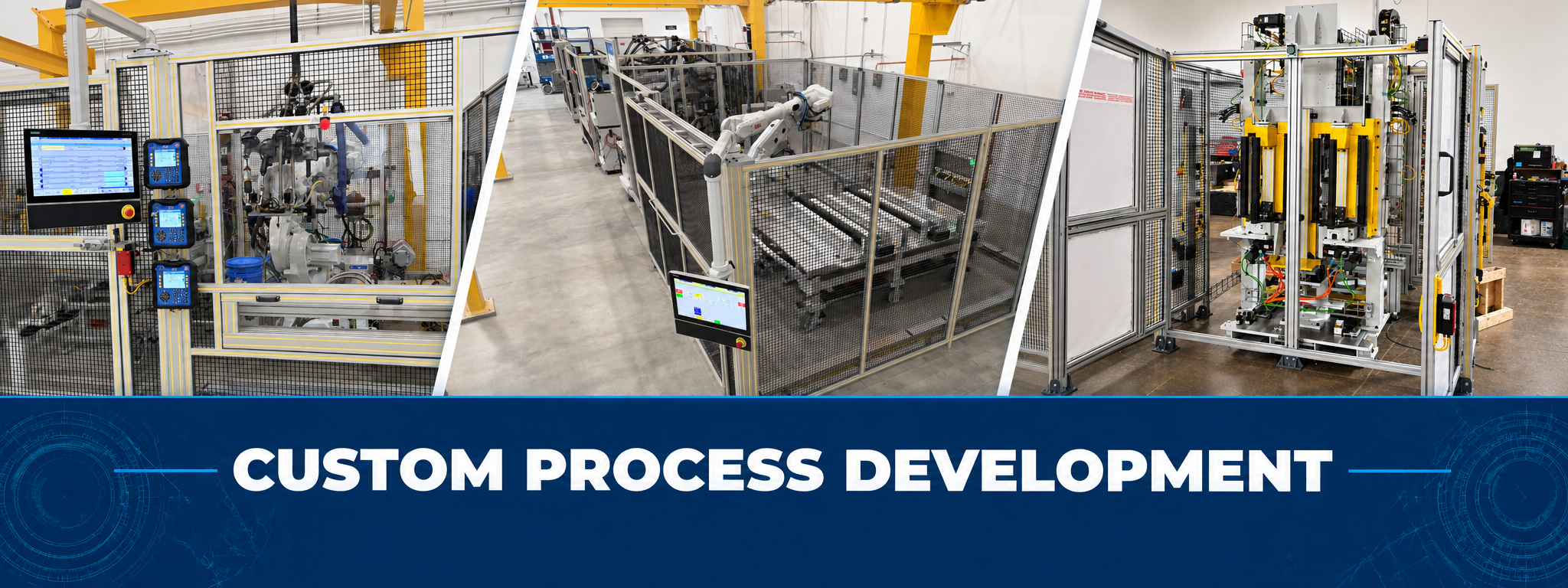
Automation Built Around Your Facility, Not a Catalog
No two manufacturers run the same process. Your materials, tolerances, layout, workforce, and product are specific to your operation, so a standardized automation package rarely delivers as advertised. Forcing your process to match someone else's design usually means living with compromises you didn't choose.
GILMAN starts from the opposite direction. Rather than making your facility conform to a preset system, we design each solution around the process you actually run, with the flexibility to adapt as your needs change. Along the way, our engineers work with your team to see how the product and process might be refined for automation, whether that's a small design change that makes a part easier to grip or a sequencing adjustment that removes a bottleneck before it's built into the line. The result is equipment that fits your operation, and often a process that runs better than it did before.

How Gilman Approaches Custom Process Automation
Precision Dispensing
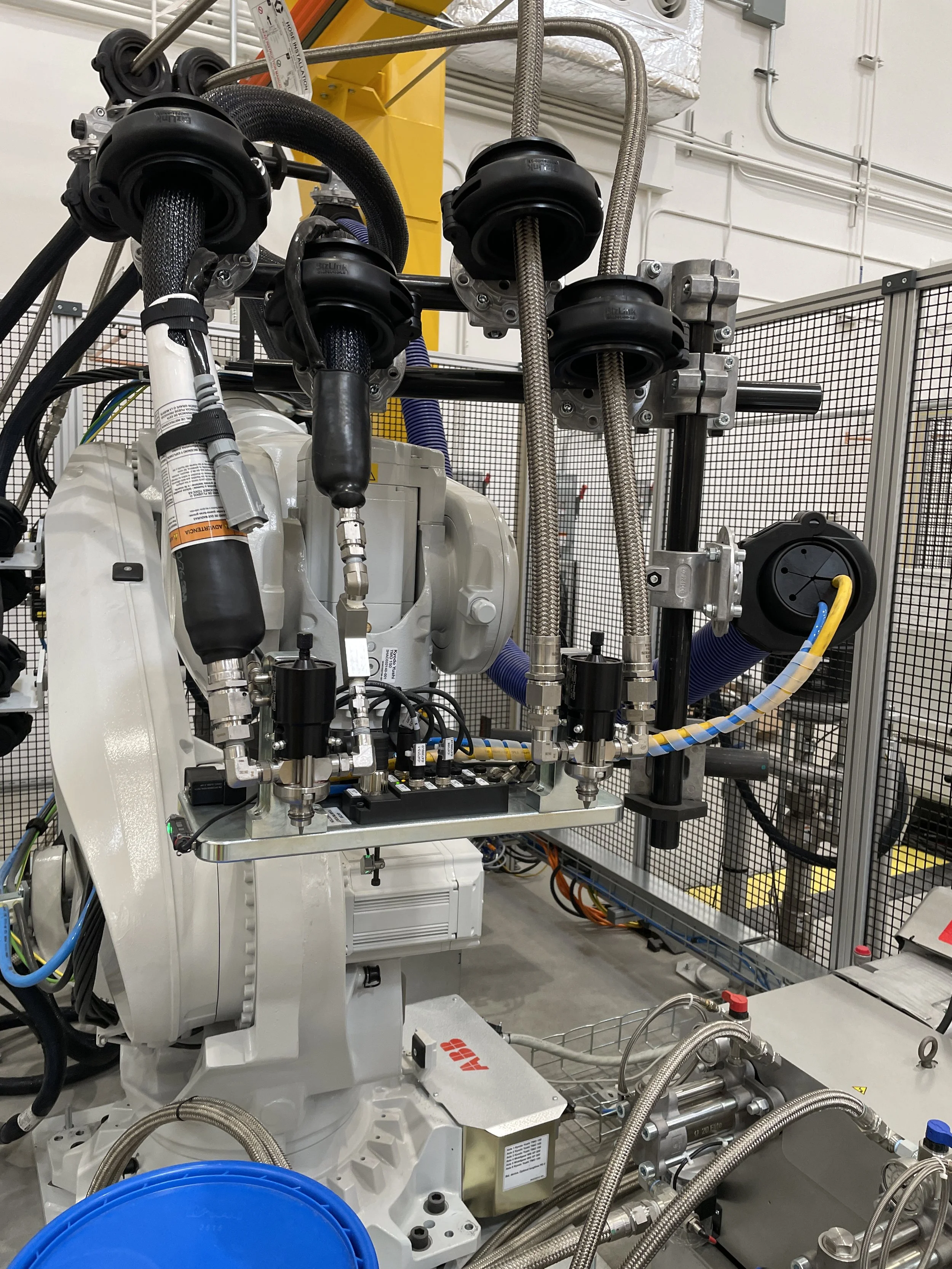
Manual dispensing tends to drift, putting too much adhesive in one spot and too little in another, and that inconsistency shows up in the finished product. Automated dispensing applies the same amount in the same place every time, reducing both material waste and variation.
Joining and Fastening Processes
Hand fastening, welding, and sealing all vary from one operator to the next, and even from one day to the next. GILMAN integrates automated joining processes, including fastening, staking, pressing, sealing, and welding, engineered to hold the same joint quality at production speed, run after run.
Automated Visual Inspection
Some defects are too small, too fast, or too subtle for a person to catch consistently. Vision systems inspect every part at production speed, detecting details the human eye can't resolve and creating a traceable quality record for each part that comes off the line.
Not every requirement fits neatly into a standard category. Our engineers develop and integrate custom solutions built around what your process actually demands, from precise fill and dispense weights to automated product counting and inline quality checks.
Beyond the Standard Processes
THE VALUE OF AUTOMATED ASSEMBLY EQUIPMENT

-
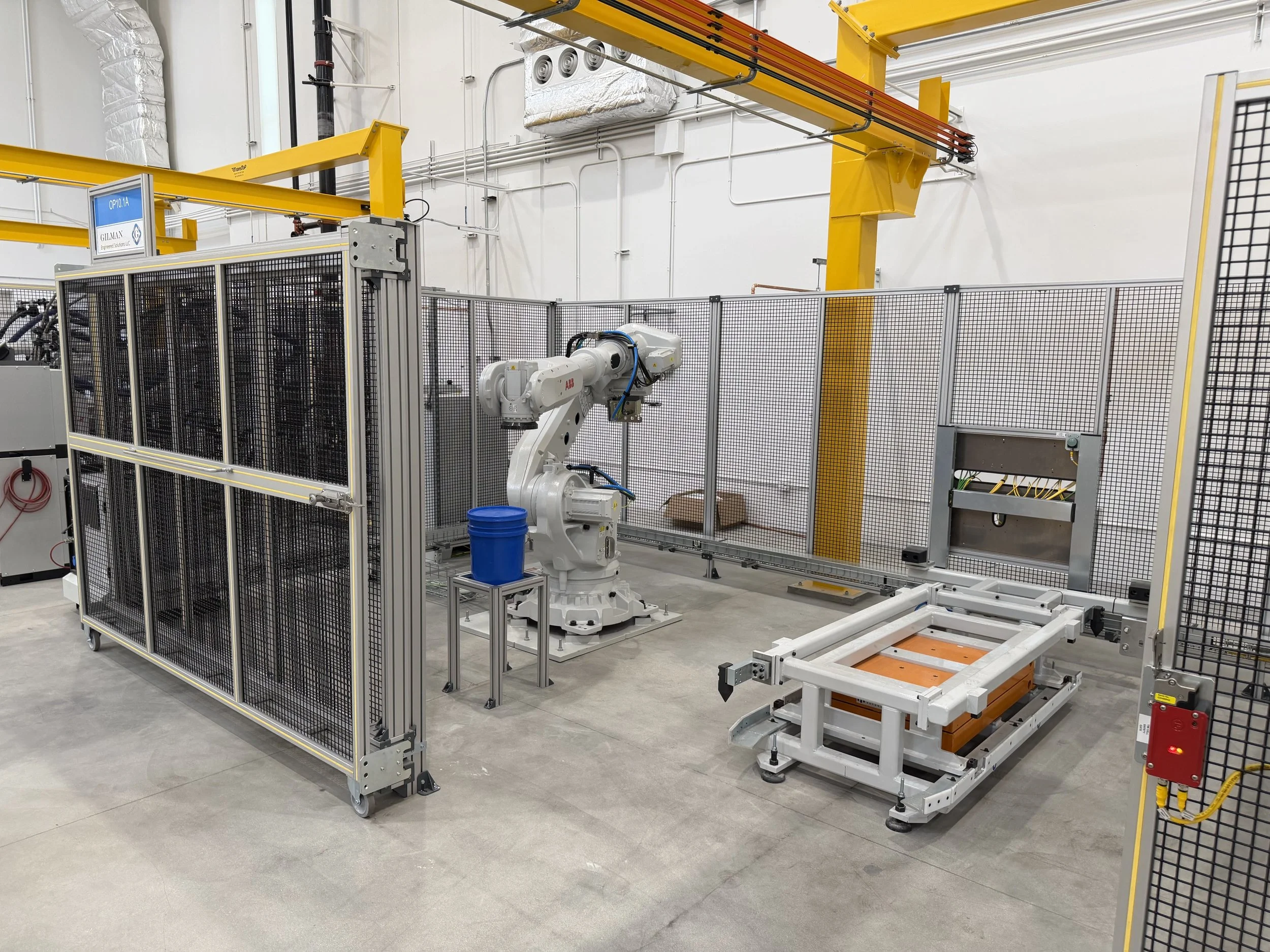
Waste and rework drive up the real cost of production more than most manufacturers realize. Automated assembly stations cut both by doing the same job the same way every time, which means the return on investment isn't theoretical, it shows up directly in your production costs within a measurable timeframe.
-
Precision and consistency go hand in hand. Automated stations don't just work faster, they work the same way on part one million as they did on part one, which means fewer parts are rejected and fewer hours are spent on manual rework and inspection.
-
Manual assembly has an output ceiling. Automated equipment raises that ceiling significantly, which means a larger contract or a sudden spike in demand doesn't require hiring and training additional resources.
Have more questions?
See examples of Our Work?